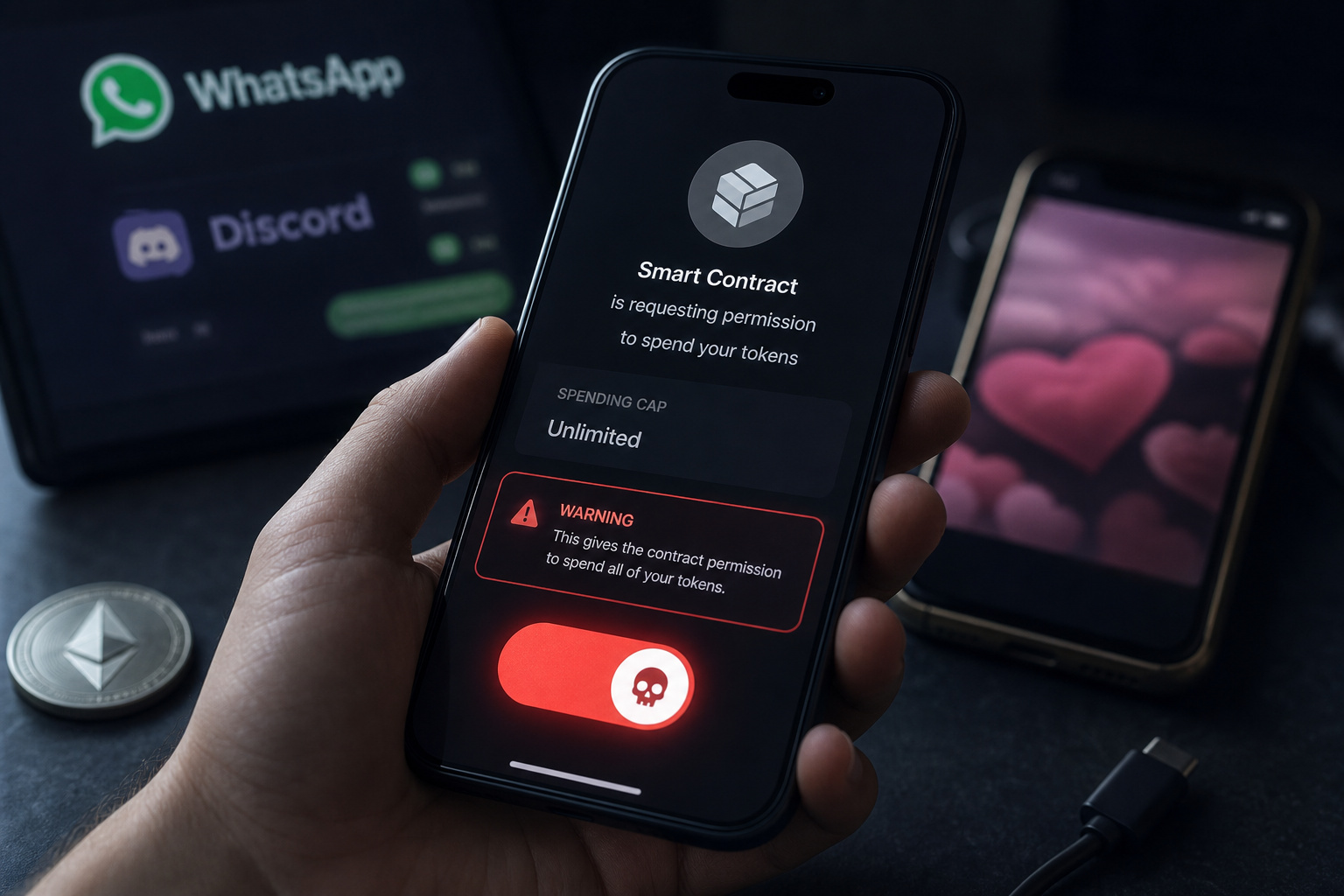
Policy Regula2026-08-11 05:57:07Mainland China staking-mining crypto scam exposed, with losses topping $3 million yuanAn investigation cited by BlockBeats on Aug. 11 said reporters from Qilu Evening News uncovered a virtual currency scam operation in mainland China built around fake "staking mining" offers. The scheme reportedly used a long grooming period and a highly disguised, assembly-line workflow. Scammers first approached targets on social platforms as ordinary users, then spent one to two months building trust through carefully crafted personal profiles, including claims such as running a maternity and baby store in Hong Kong, showing emotional attentiveness, and even mailing "Wong Tai Sin" amulets, while avoiding any early mention of investment. After trust was established, victims were moved to overseas private messaging apps including WhatsApp and Discord, where chat records could be deleted by both sides more easily. The suspects then pitched a "zero-risk" passive-income product tied to idle computing power and staking mining, persuading victims to download overseas crypto wallets and authorize fake mining contracts. According to the report, those contracts actually granted asset transfer permissions, allowing funds to be moved from accounts without a password. Small early payouts were also used to create the impression of genuine returns and draw in larger deposits. More than 30 victims have been identified so far, with total losses exceeding 3 million yuan and the biggest single loss above 300,000 yuan across several provinces.1850
virtual curre2026-08-11 05:43:00Fake Virtual Currency 'Staking Mining' Scam Uses Long-Game Social Contact and Contract AuthorizationA new virtual currency fraud packaged as 'staking mining' has been flagged by Qilu Evening News, according to ChainCatcher. The scheme runs as a long con: fraudsters create polished personas on social platforms, chat with victims for one or two months, and then push them onto private overseas messaging apps such as WhatsApp and Discord. Victims are talked into installing a fake mining platform and signing a contract authorization, which lets the scammers quietly drain funds from the account. The pitch never mentions 'investment' or 'wealth management.' Instead, it is framed as 'idle computing power staking mining' and sold on claims of zero risk and steady returns. Small payouts are used early on as bait, drawing victims into committing larger amounts. Most of the victims identified so far are young people seeking side income. Known losses exceed 3 million yuan, with the largest single loss reaching more than 300,000 yuan, and victims are scattered across multiple regions. A lawyer's reminder carried by the report said virtual currency transactions are not protected by law, and anyone who is steered to overseas apps by strangers on social media or asked to authorize an unfamiliar contract should treat it as fraud and refuse any second transfer.1810